
Innovations


The FluoRaptor system process begins with separating the vegetable material.

The Optyx Raptor system has visible/infrared cameras to detect even small defects in a product.

The screen on the FluoRaptor system displays information about what the laser scans and sees.

The Optyx Vis/IR camera allows detection of even small colour differences in vegetables, such as dark patches or bruises.

The FluoRaptor system can detect and remove foreign bodies such as cardboard, plastic, metal, glass and also insects from fresh leaf products.


124-seat theatre
The ThinkFOOD! centre
The ThinkFOOD! centre provides a learning environment where product developers can develop food concepts and menu ideas.
Labs for production development
Labs can be used for production development.


The R&D centre at Santiago, Chile.

The facility is one of Nestle’s 28 global R&D centres.

The inauguration of the facility took place on 5 January 2010.


The IFR is developing NMR as a viable technology for food processing applications.

NMR is a technique relying on magnetic spin of atomic nuclei being flipped between energy states by a powerful magnetic field.

Samples in food processing can undergo many irreversible changes. NMR technology can help to monitor these changes.

NMR spectrometers have previously used huge super-conducting magnets but the new developments of the Halbach NMR will use much smaller magnets for the measurements required.


The Pathatrix Pathogen system captures bacteria as the food matrix, in this case liquid chocolate, is passed through the tube.

Bacteria are captured in the Pathogen system by an immobilised antibody complex.

Cadbury is using the Pathatrix system after contamination issues caused the company £50m in product recalls.

After the process antibody-bacteria complex can be eluted for analysis.

The Pathogen system can also be configured for a pooling system, which saves time and money while processing a large number of samples.

Several forms of analysis can be carried out by the Pathatrix system for bacteria detection.

Baisch Engineering Design
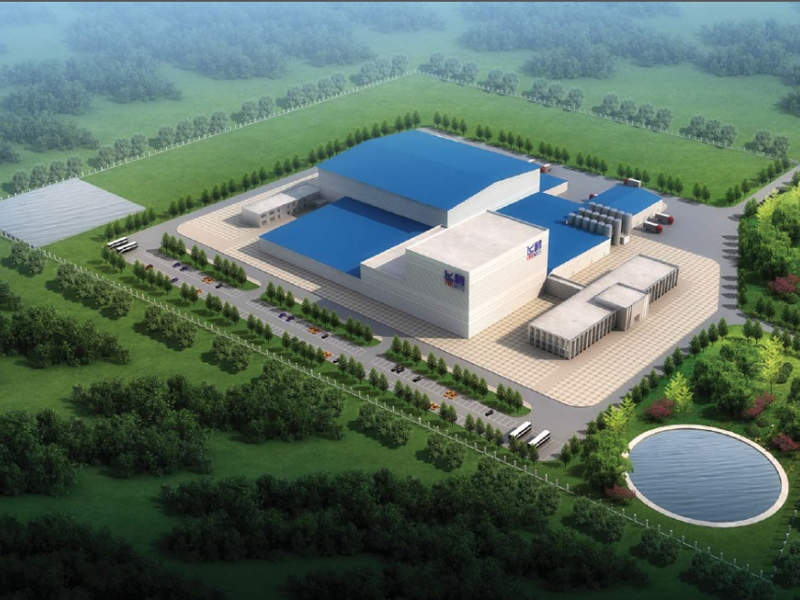
Design rendering by Baisch Engineering of Kaukauna, Wisconsin.
Louisiana Sugar Refining’s new plant
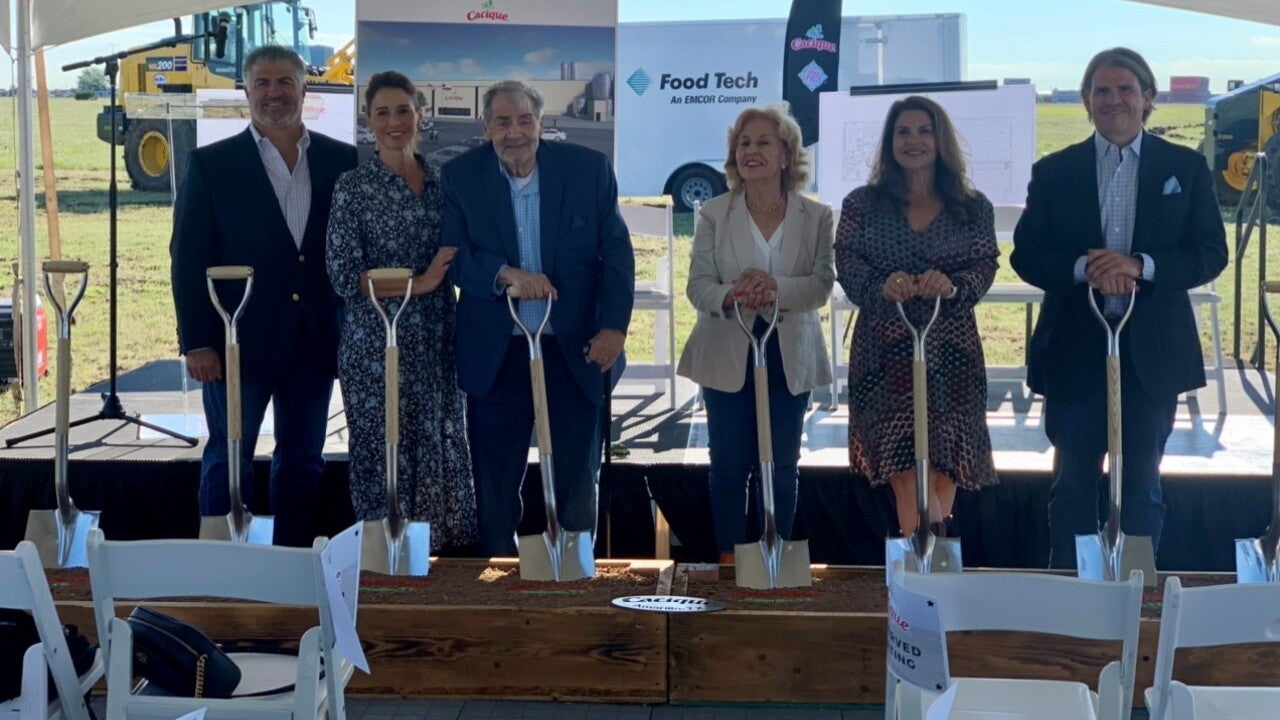
Groundbreaking for Louisiana Sugar Refining’s new plant in Gramercy.
Louisiana Sugar Refining plant site
Construction at the site of the new Louisiana Sugar Refining plant site.
Construction early 2011
Construction is planned to be completed in early 2011.


UV disinfection systems can help meat and fish processors to improve their hygiene and safety protocols.

UV lamps such as those supplied by Hanovia require little maintenance and therefore allow optimum use.

Harmful bacteria such as Listeria and E. coli can be destroyed through the use of UV disinfection.

Pennine Foods in South Yorkshire has installed two Hanovia UV systems so that it can disinfect water used for wash down of equipment.

The Silver Spring Mineral Water Company in Folkestone uses UV disinfection to treat all of its bottled water.


Newsletter Sign-Up
For all the latest news in the food and beverage industry, sign up here

Home
New On This Site
Products & Services
Company A-Z
Industry Projects
Features
White Papers
Jobs & Careers
Industry News
Gallery
Events & Exhibitions
Newsletter Archive
Newsletter Sign-Up
Advertise With Us
About Us
Client Area


RSS What is RSS
The website for the food processing industry